
Practical tools for confidence, communication and change.
Neuro-Linguistic Programming, commonly known as NLP, explores how patterns of thought, language and behaviour can influence communication, confidence and responses to experience.
At Expert Ease, NLP is used as one practical element within a wider development pathway, not as therapy, clinical treatment or a standalone solution.

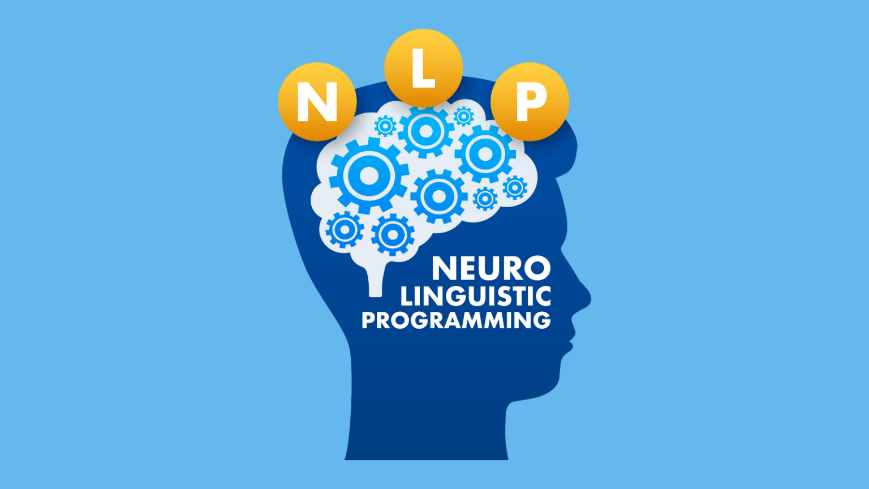
NLP, explained simply.
NLP does not provide one fixed explanation of human behaviour. We use selected NLP-informed techniques as reflective and practical tools within structured development.
Neuro
How people process experience through thoughts, feelings, attention and internal responses.
Linguistic
How language, including internal self-talk and communication with others, can influence meaning and behaviour.
Programming
The patterns and habits people develop, and the possibility of practising more useful responses.
From insight to application.
Reframing
Exploring a situation from a different perspective to identify more constructive choices.
Outcome setting
Clarifying the desired result, what success would look like and the actions required.
Resource anchoring
Using a planned cue or routine to recall a useful state, such as calm or confidence, before a demanding situation.
Mental rehearsal and visualisation
Preparing for presentations, conversations or performance situations by rehearsing effective responses.
Language awareness
Noticing how words, assumptions and questions influence clarity, confidence and connection.
Rapport and perspective
Paying attention to another person’s communication and viewpoint to support stronger interaction.
Practical moments, not theory.
The techniques selected depend on the audience, programme objectives and professional boundaries.

Practical, proportionate and transparent.
Expert Ease Training is not a clinical mental-health service. NLP-informed development does not diagnose, treat or replace medical, psychological or therapeutic support.
We do not claim that NLP guarantees behavioural change or organisational outcomes. We use appropriate techniques alongside practical learning, reflection, coached application and evaluation.
Where a participant requires clinical or therapeutic support, they should be directed to a suitably qualified healthcare professional.
NLP-informed, not NLP-only.
An Expert Ease Pathway™ combines NLP-informed tools with:
This wider approach helps connect insight with practical behaviour.
Explore whether NLP-informed development is right for your people.
We will discuss your goals, audience and boundaries before recommending an appropriate approach.